More Than Celebration: How Connecticut Communities Marked Pride Month
As another Pride Month draws to a close, communities across Connecticut are reflecting on a June filled with festivals, marches, performances, and gatherings that brought together thousands of residents in celebration of the state’s LGBTQ+ community.
From Middletown and Hartford to New Haven, North Haven, and communities throughout the greater Valley region, Pride Month once again demonstrated how deeply these events have become woven into Connecticut’s civic life.
This year’s celebrations arrived amid continued national debates surrounding LGBTQ+ rights, education, healthcare, and public policy. Organizers across the state emphasized that while Pride Month is undoubtedly festive, it remains rooted in themes of visibility, inclusion, and community support.
Throughout June, residents had no shortage of opportunities to participate.
One of Connecticut’s largest events, Middletown PrideFest, once again transformed downtown Middletown into a daylong celebration featuring live entertainment, advocacy organizations, community resources, family activities, and evening festivities. Pride Weekend at Mohegan Sun combined drag performances, live music, food trucks, and vendors in a free celebration open to all ages.
In Hartford, Capital City Pride brought artists, performers, community organizations, and businesses together along the Connecticut River, while Fairfield County’s Pride in the Park drew residents to Norwalk’s Veterans Memorial Park for entertainment, family activities, and community outreach.
Closer to home, North Haven Pride on the Green brought together local vendors, organizations, and residents before a Pride Drag Night later that evening at Twelve Percent Beer Project. Meanwhile, New Haven Black Pride Week offered educational workshops, cultural programs, and discussions focused on transgender empowerment and HIV awareness, creating opportunities for dialogue as well as celebration.
Taken together, the events illustrated the many ways Pride is experienced across Connecticut. Some gatherings focused on music and entertainment. Others emphasized education, advocacy, and public health. Some drew thousands, while others fostered connection in smaller and more intimate settings.
The month also brought encouraging news for Connecticut’s LGBTQ+ community. The New Haven Pride Center announced plans to reopen after a successful fundraising campaign raised more than $500,000, ensuring that programs and services that have supported LGBTQ+ residents for decades will continue into the future.
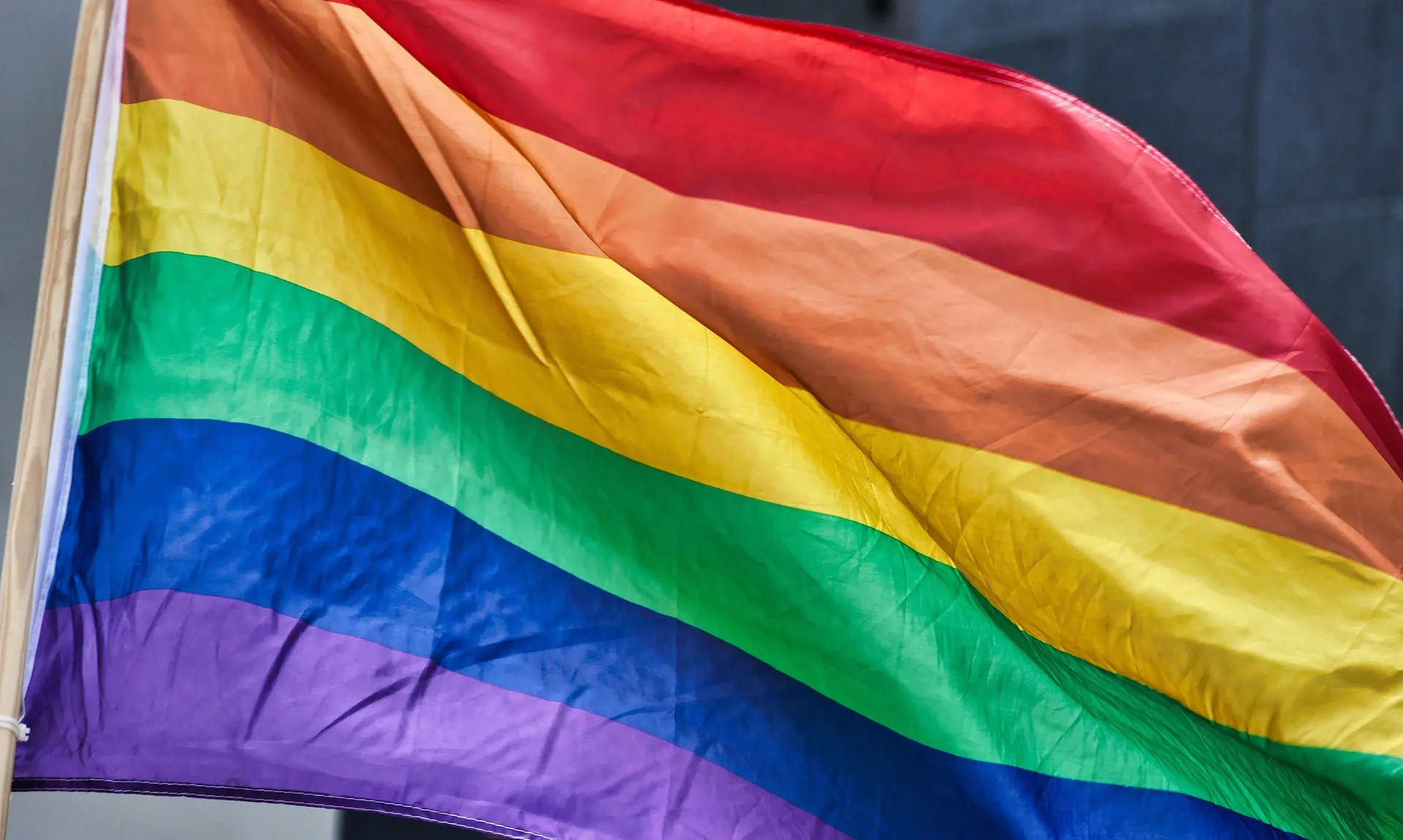
Organizers frequently note that Pride Month is about much more than parades and rainbow flags.
Community health organizations, mental health providers, advocacy groups, youth programs, and civic organizations routinely participate in Pride celebrations throughout the state. Many events included voter registration efforts, wellness resources, support services, and educational opportunities alongside entertainment.
For longtime advocates, the evolution of Pride Month in Connecticut has been remarkable.
What began decades ago as marches and demonstrations demanding visibility and equal rights has become embraced by businesses, healthcare organizations, schools, faith communities, and local governments. Yet organizers stress that visibility itself remains important, particularly for younger LGBTQ+ residents and those living in smaller communities where support can sometimes feel harder to find.
For some participants, Pride Month represented an opportunity to celebrate identity openly. For others, it was a chance to stand alongside friends, family members, coworkers, and neighbors.
Perhaps most importantly, the month served as a reminder that communities are built through countless small moments—a conversation over coffee, a parent attending a first Pride event with their child, a volunteer helping someone access resources, or a young person discovering they are not alone.
As rainbow flags come down and June gives way to summer, many organizers hope the spirit of Pride Month—visibility, acceptance, and belonging—will continue long after the festival tents have been packed away.