Tax Season Food Drive Aims to Help Feed Connecticut Families Facing Record Hunger
In a state often associated with prosperity, hunger is a growing reality for hundreds of thousands of Connecticut families — and this tax season, a simple community food drive is offering one small but meaningful way to respond.
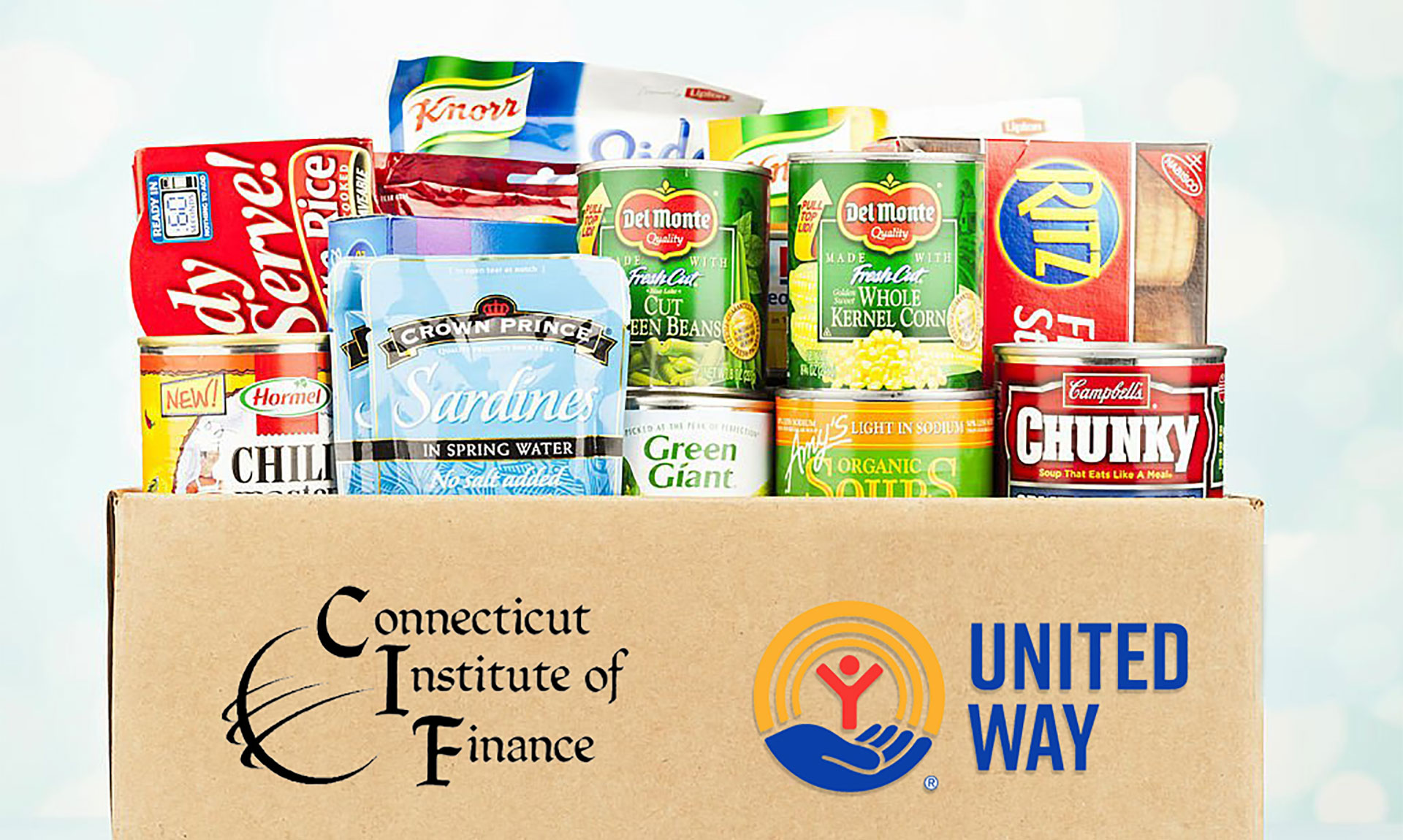
A Tax Season food drive is underway at The Connecticut Institute of Finance located at 231 Coram Avenue in Shelton in partnership with The Salvation Army, with clients and community members invited to bring nonperishable food donations while they prepare their returns. The collection will run for the full duration of tax season, creating an extended opportunity for neighbors to support local families who are struggling to put meals on the table.
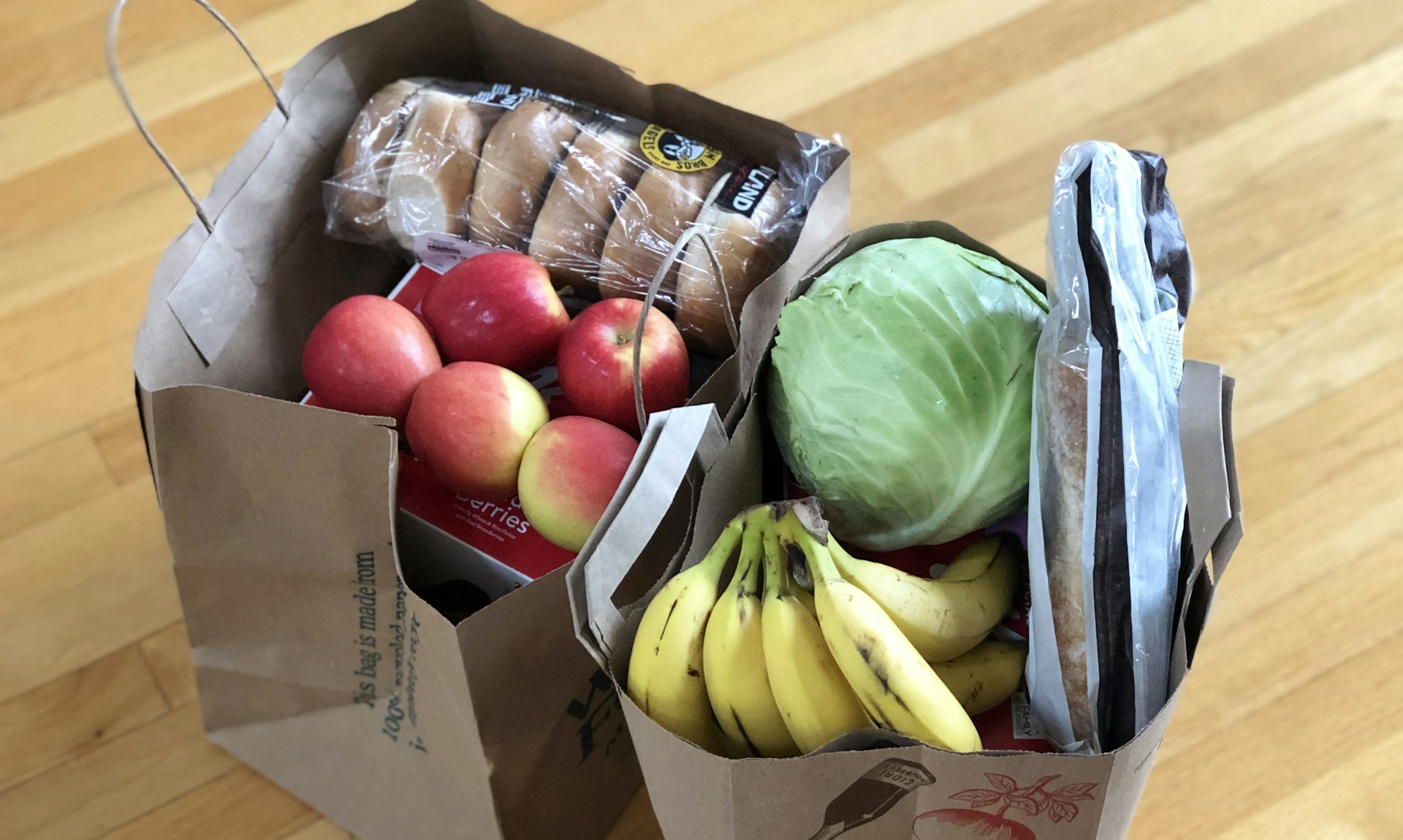
Every can of soup, box of pasta, or jar of peanut butter donated will go directly toward The Salvation Army’s efforts to feed people in need across the region. As a small gesture of appreciation, those who contribute during tax season can choose to enter a raffle for a $150 gift card.
The need behind this effort is significant and growing.
In one of the wealthiest states in the country, more than 516,000 Connecticut residents — roughly one in seven people — are struggling with hunger, including over 122,000 children, or one in six kids. After years of rising grocery prices and shrinking federal support, food pantries report lines as long as they were at the height of the pandemic. Many of the people seeking help now have steady jobs but still cannot afford enough to eat. Statewide, food insecurity has climbed about 40% since 2020, and advocates warn that looming federal cuts could deepen the crisis just as need is peaking.
Connecticut, often branded as a land of hedge funds and shoreline mansions, now has the highest food insecurity rate in New England. The share of residents who are food insecure has risen from about 10% in 2019 to roughly 14% in 2023 — a sharp increase that means tens of thousands of households routinely run out of food before the end of the month. To close the gap between what families can afford and what they need, the state would require nearly 98 million additional meals every year. Behind those numbers are difficult tradeoffs: parents skipping meals so their children can eat, seniors stretching groceries or cutting pills in half, and working adults realizing at the checkout line that something has to be left behind.
The burden is not evenly shared. In Hartford, nearly one in four residents (about 24.6%) is food insecure, while Bridgeport, Waterbury, New Haven, and Windham all report rates above one in five. Food insecurity disproportionately affects Black and Latino families, with recent analyses showing about one in four Black residents facing hunger — far above the statewide average. Among children, the shift has been especially stark: in just one year, the share of kids experiencing food insecurity rose from about one in eight to one in six. In a recent survey, 18% of adults said there were times they did not have enough to eat, and 40% reported struggling financially overall, highlighting how hunger is closely tied to a broader affordability crisis.
On the ground, the emergency food network is under intense strain. Connecticut Foodshare distributed enough food last year for more than 40 million meals, an extraordinary effort that still falls well short of the 98 million-meal gap. Pantry and soup kitchen directors say they are “seeing longer lines than we did during the pandemic,” with a growing share of visitors working full time. In Waterbury, one mission has seen its daily meal service double in five years. In Vernon, a community kitchen’s headcount jumped from about 50 people a day to 100 during a federal benefits shutdown. Staff say shelves are often “already looking very empty” before the doors even open. A recent state report concluded that food and nutrition insecurity in Connecticut are now “widespread, persistent, and having a significant negative impact” on residents’ health, education, and housing — a quiet emergency unfolding in communities across the state.
Against this backdrop, participating in a local food drive may seem like a small act, but for families facing empty cupboards, it can make a tangible difference. For those visiting Shelton during tax season, bringing along a few shelf-stable items is a simple way to help ensure that more Connecticut neighbors have reliable access to the food they need.