Thirty Years After Its Revival, the Naugatuck Railroad Keeps a Valley Corridor in Motion
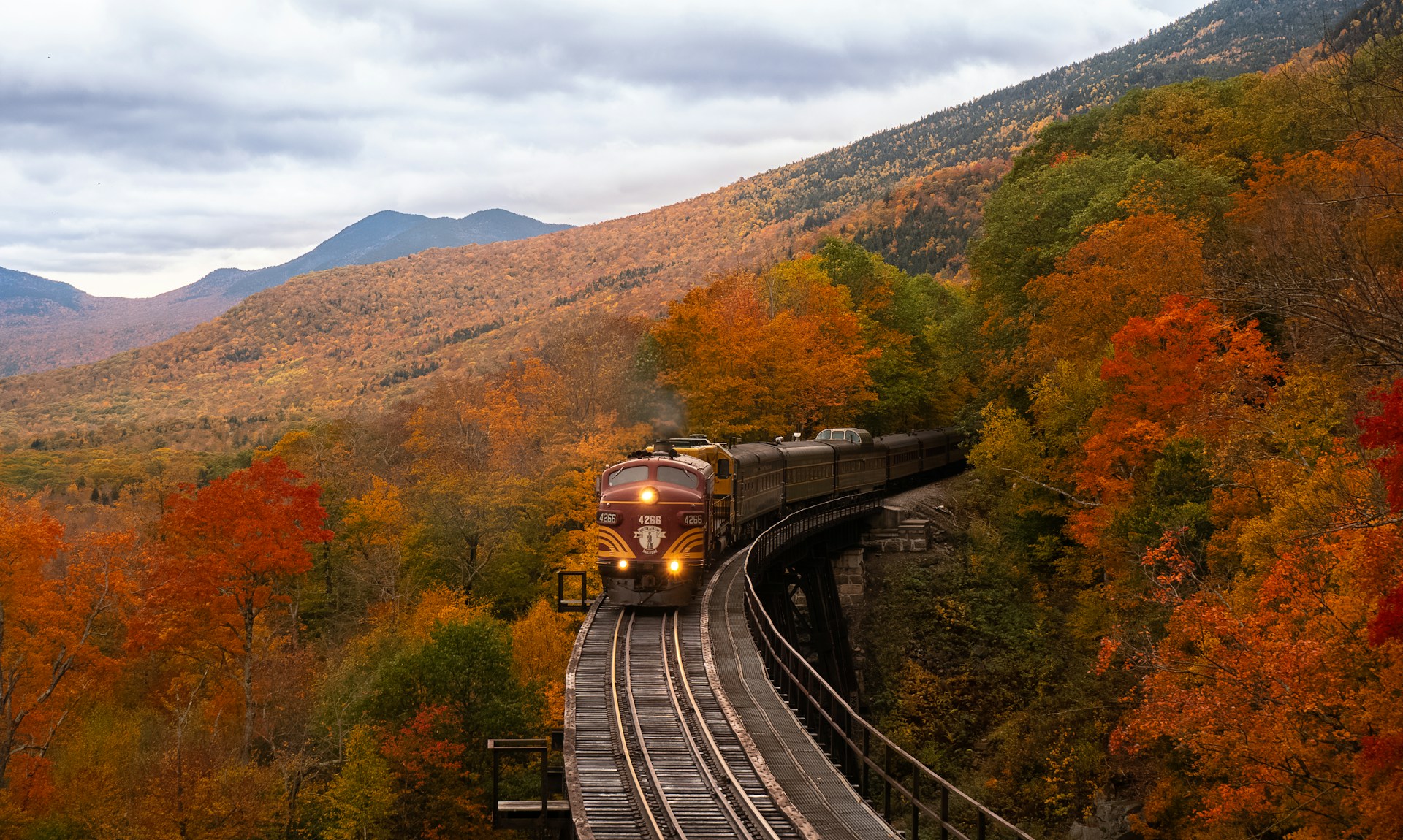
Volunteers brought passenger trains back to the old Naugatuck line in 1996. The Railroad Museum of New England still runs them between Waterbury and Torrington.
New Haven Railroad No. 529 rolled out of the American Locomotive Company’s plant in Aug. 1950. The Railroad Museum of New England says its goal is to return the diesel to the route it once served.
Keeping equipment moving instead of parking it behind glass is the working idea behind the Naugatuck Railroad, which marks 30 years of passenger service in 2026.
The railroad has had two beginnings. The first came in 1849, when a line chartered four years earlier opened between Bridgeport and Winsted. It followed the Naugatuck River, linked factories and towns to larger markets and helped make a narrow valley one of Connecticut’s industrial centers.
The second came in the 1990s, after regular service north of Waterbury had ended. A preservation group based in Thomaston revived the Naugatuck Railroad name. In 1996, passenger trains ran again.
From Association to Railroad
The museum traces its origin to Jan 19 68, when it was founded as the Connecticut Valley Railroad Association. It now reports more than 500 members and a collection of locomotives, passenger cars, freight cars and cabooses.
The new Naugatuck Railroad was incorporated Jun 7, 1995, as a wholly owned museum subsidiary. Its first passenger trains followed the next year. Today, the railroad operates between Torrington and Waterbury, with the historic Thomaston station as its public home.
Along the River
The railroad runs on the Waterbury-to-Torrington portion of the historic line along the Naugatuck River. Railroads tied Valley mills to ports, suppliers and markets, carrying workers, raw materials and finished goods through towns that grew beside the river and tracks. As industry changed, the trains changed with it, and the corridor took on a different purpose.
A museum train cannot restore that economy. It can show its scale and geography from a coach window.
That takes more than restoration. Track access, mechanical skill, insurance, inspections, volunteers and a working organization must all be in place before a train can move.
A 30th anniversary can sound like a finish line. On an operating railroad, it is another maintenance interval. Cars age. Track and bridges need inspection. New volunteers must learn skills that were once ordinary railroad trades.
The trains now carry visitors rather than the freight and commuters the line once served. The museum’s next concrete goal is to return No. 529 to its original route.